The integration of automated surveillance technology into everyday law enforcement is facing intense scrutiny following a federal lawsuit filed by a Colorado resident. The legal action targets a local police department, individual officers, and automated camera provider Flock Safety, stemming from an incident where a high-tech tracking system allegedly led investigators straight to the wrong person.
The Incident and Confrontation
Last year, a financial planning quality assurance specialist found herself facing a criminal summons after automated camera data allegedly connected her Rivian truck to a minor porch package theft in Bow Mar, Colorado. According to legal filings, a local police sergeant used automated license plate reader data to track the vehicle for a month before confronting the resident at her home.
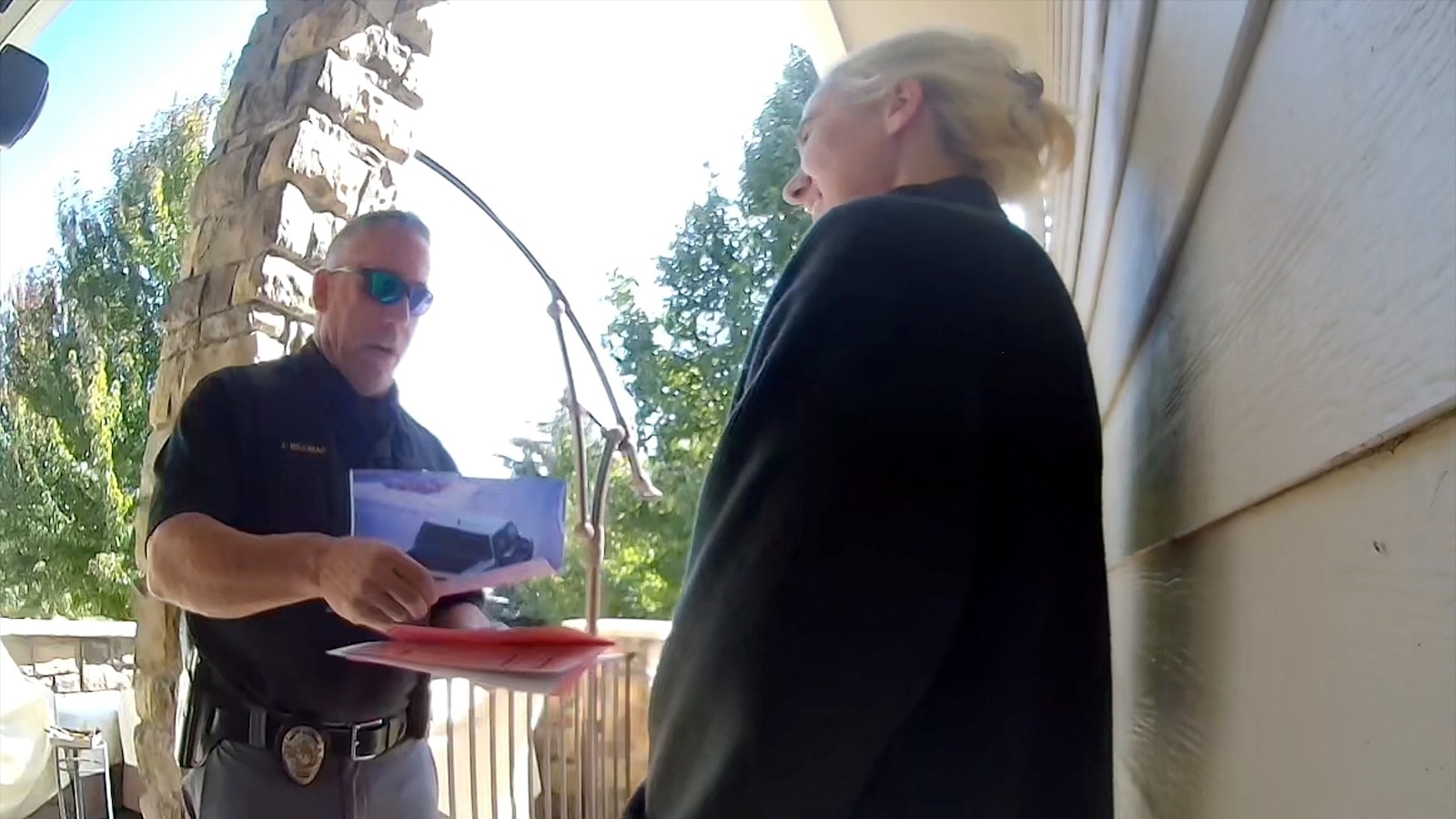
Body camera footage from the encounter captured the investigating officer asserting absolute certainty regarding the vehicle's presence in the area during the incident. During the exchange, the officer emphasized the omnipresence of local monitoring systems, telling the resident that vehicles cannot move through the area without being recorded. Despite the resident’s immediate denials and requests to review the underlying evidence, the officer declined to examine her vehicle cameras or phone location data at the scene, delivering a criminal summons that included printed screenshots captured by an automated surveillance camera.
Investigation and Rebuttal
Left with the burden of proving her innocence, the resident launched her own investigation into her whereabouts at the time of the alleged misdemeanor. She ultimately gathered location data from her mobile phone and vehicle footage confirming she was elsewhere at the time, specifically getting fitted for a gown at a tailor. Furthermore, publicly shared doorbell camera footage from the neighborhood indicated that the actual suspect fled the scene on foot and bore little physical resemblance to the accused resident.
Weeks after the summons was issued, local authorities officially voided the paperwork. However, the legal fallout continued as the resident maintained that the ordeal nearly cost her employment, with her company nearly placing her on administrative leave.
In the wake of the incident, internal department reviews led to an official reprimand for the investigating officer. Documentation cited in the lawsuit revealed that department leadership faulted the sergeant for a dismissive attitude, rude behavior, and an unwillingness to de-escalate, noting that such conduct undermines public trust. The officer was subsequently directed to complete training in community relations, de-escalation, and interview techniques.
The Broader Legal and Technological Debate
The federal lawsuit accuses the participating municipalities and officers of negligence, invasion of privacy, and unlawful search, while also alleging that the camera network's private operator intruded upon the plaintiff's seclusion by compiling a detailed mosaic of her daily movements.
Representatives for the surveillance technology company maintained that its systems function strictly as an objective investigative tool. Spokespersons emphasized that the hardware accurately identified the location of the vehicle, while responsibility for interpreting that data and conducting a thorough investigation remained entirely with law enforcement personnel.
As automated tracking networks expand across municipalities nationwide, the case has ignited broader discussions regarding accountability, data privacy, and the inherent risks of relying heavily on automated feeds without sufficient investigative verification. Observers and critics point out the severe personal and professional toll inaccurate automated flags can inflict on ordinary citizens.
Every one of the tools we use says it could be wrong. Yet we’re treating the results as perfect and beyond question.
Legal experts note that the outcome of the lawsuit could set a significant precedent regarding how private technology vendors and law enforcement agencies share liability when automated surveillance systems contribute to wrongful police actions.

