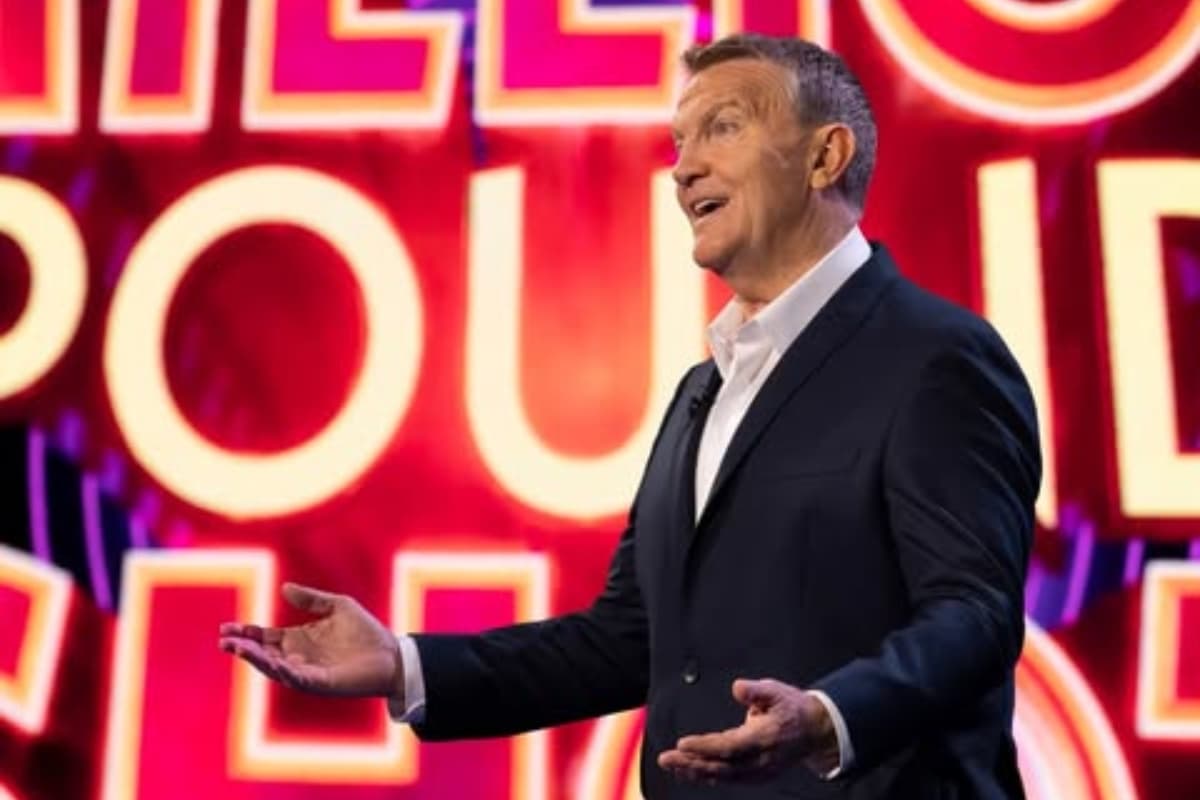
Television audiences recently tuned in to what appeared to be a high-stakes, conventional quiz show featuring contestants competing for a major cash prize. Hosted by well-known television personality Bradley Walsh, the programme titled Million Pound Shot was later revealed to be an elaborate, staged experiment designed to lay bare the psychological mechanisms behind predatory gambling tactics.
The Anatomy of the Experiment
At the outset, the broadcast presented three participants betting on general knowledge answers using bank cards and wagering based on confidence. Correct answers yielded tokens that could be exchanged for cash or risked in a dedicated jackpot machine. As the competition advanced, one of the participants, Reece, accumulated significant financial losses while continuing to wager, eventually contemplating loans and borrowed funds to stay in the game.
Rather than a genuine competition, the programme used actors to play the contestants, the floor manager, and even an audience member who stood up to challenge the production's fairness. Once the illusion was shattered, Walsh explained that the format was engineered to replicate real-world betting promotions, including free bets, bonus opportunities, and the persistent allure of a large jackpot designed to keep players engaged despite mounting losses.
Personal Stories and Industry Tactics
To ground the experiment in reality, the production incorporated the lived experiences of individuals affected by addiction. Former teacher Patrick Foster shared his 13-year struggle with online and high-street gambling, which accumulated roughly £250,000 in debts and saw him open dozens of separate betting accounts. His perspective was joined by industry experts who discussed how repetitive betting incentives exploit psychological vulnerabilities.
While the message aimed to raise vital awareness about gambling-related harm, viewers offered mixed reactions regarding the execution of the broadcast.
It’s a good PSA and could’ve made for an interesting Black Mirror / Ghost Watch inspired episode, but it wasn’t executed very well IMO. No explanation of the game at the start and some very cinematic camera angles for a “live” performance.
Others noted that the production struggled to find a balance between a convincing fictional setup and an educational public service announcement.
The big problem is that Channel 4 seemed to have little confidence in people either watching the show in its straight presentation or were too worried that people would be immediately outraged by the presented gambling mechanics that they made it painfully obvious in promos that there was a twist.
A Complex Message
Despite discussions over whether the dramatic tension could have been pushed further, many acknowledged the importance of addressing the staggering scale of annual losses linked to betting platforms.
But credit where credit's due, it was a good attempt at getting the message of predatory gambling apps to an audience who might be reluctant to hear it. We need to have more hard hitting discussion about it, especially the fact that £17 billion per year is lost to gambling.
Ultimately, the experiment served as a provocative conversation starter about the pervasive nature of betting culture, leaving viewers to weigh the impact of industry tactics against the entertainment formats that normalize them.

