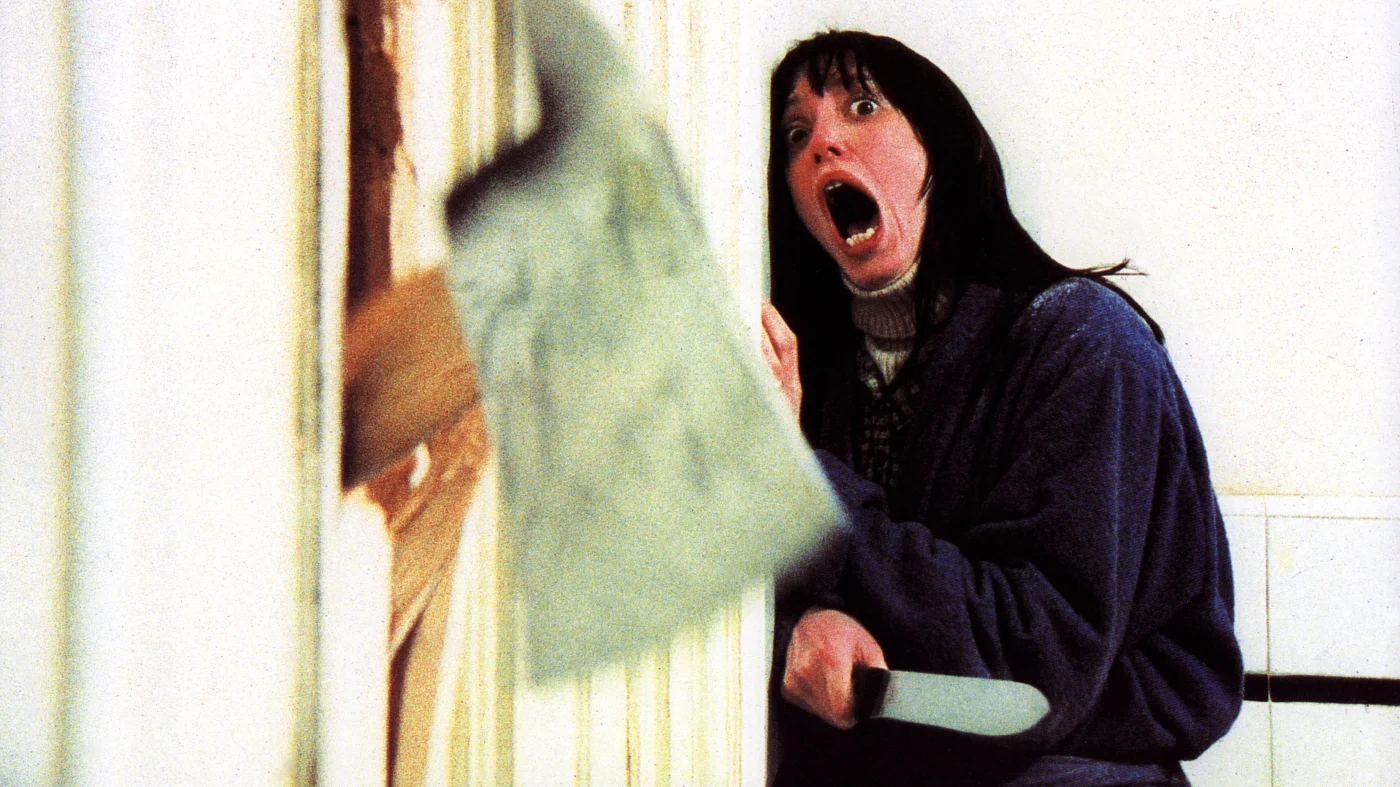
Decades after its initial release, revisiting a classic horror film on the big screen can completely shift a viewer's perspective. While Jack Nicholson's unhinged performance as Jack Torrance often steals the initial spotlight, a closer look reveals that the true emotional anchor of the story is Shelley Duvall's portrayal of Wendy.
When the film premiered in 1980, Duvall's nuanced work drew mixed reviews, famously earning her a Razzie nomination that was later rescinded. Critics and audiences at the time frequently misread her performance as merely frantic or weak, overlooking the subtle dread she built throughout the narrative. Yet, without her grounded reality, the supernatural elements would lack genuine stakes.
The Real Horror of Domestic Isolation
From the opening acts, the movie establishes a very real, domestic brand of terror. Wendy is not initially fleeing from ghosts or ghouls; she is dealing with the psychological fallout of living with an unemployed former teacher struggling with writer's block, a history of alcoholism, and a volatile temper. Her performance captures the profound isolation felt by someone walking on eggshells around an unpredictable partner.
It’s her fragility and isolation that really sells the domestic horror in this film. I’ve watched it numerous times and I’m always struck by her performance, I don’t know how people can say she was the weakest performance in the film when it’s her portrayal of her character as the meek abused wife that has you desperately wanting her and Danny to get out alive.
Amidst the mounting tension, Wendy remains the sole voice of normalcy in an increasingly chaotic environment. Surrounded by a deteriorating husband and surreal phenomena, her reactions stem purely from survival instincts and deep maternal concern.
Lol, she's the only normal person in the entire film! Her husband is losing her mind, her son is speaking in crazy voices, and the chef is having telepathic conversations with her son! No wonder she's losing it!
From Victim to Proto-Action Hero
While initial impressions often cast Wendy as a helpless victim trapped in a series of screaming fits, a careful watch of her actions reveals a remarkably resourceful protagonist. While her husband gripes and neglects his duties, Wendy quietly handles the practical demands of their situation—monitoring the weather, checking the heating system, and keeping in touch with forest rangers.
As the threat escalates, she adapts instantly. She keeps a close eye on her son, arms herself with a baseball bat, and ultimately proves fully prepared to defend her family when danger strikes. Her ability to stay one step ahead of a rampaging antagonist transforms the character into an early cinematic warrior.
Appreciating a Nuanced Portrayal
Looking back, the initial backlash against the performance reflects the cinematic norms of an era that rarely centered complex, vulnerable female characters facing psychological terror. Her distinct vocal cadence and physical expressiveness were sometimes misunderstood as mere annoyance rather than deliberate acting choices that conveyed overwhelming fear and exhaustion.
Correct. He was creepy and set the vibe, she made you feel the impact. Synergy amongst both characters.
Ultimately, Nicholson's theatrical villainy provides the noise, but Duvall's calculated, enduring resilience provides the substance. Nearly half a century later, her performance stands out not as a weakness, but as the vital engine that drives the entire masterpiece to its satisfying, hard-fought conclusion.

