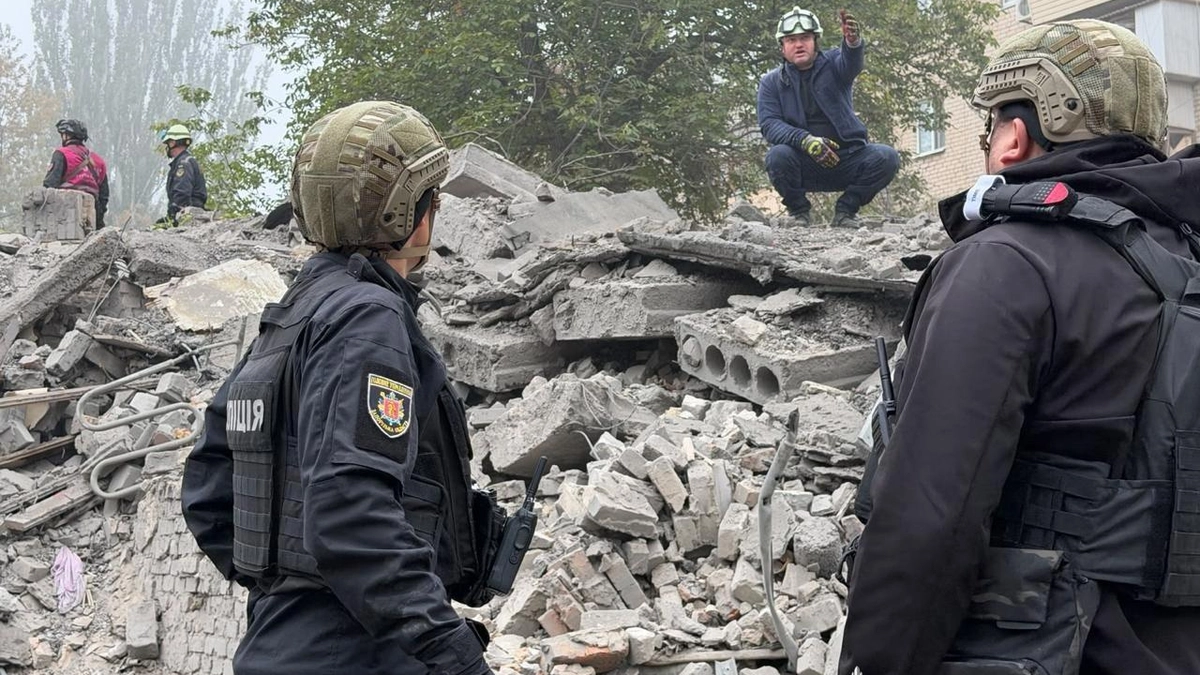
A deadly series of strikes on Zaporizhzhia has reignited sharp debate over international diplomatic strategy and the enforcement of economic sanctions against Moscow. Ukrainian President Volodymyr Zelenskyy publicly condemned recent decisions to ease sanctions on Russian diesel fuel exports, pointing to a devastating bombardment of residential areas as immediate proof that concessions only encourage further Russian aggression.
According to Ukrainian official reports, Russian forces launched five glide bombs into civilian neighborhoods in Zaporizhzhia. The attack resulted in the deaths of at least twelve people, among them three children, alongside extensive destruction to residential infrastructure. The strike came shortly after adjustments were made to sanctions policy regarding Russian fuel, a timing that Ukrainian leadership argued was far from coincidental.
Diplomatic Signals and Military Reality
In a public address, Zelenskyy characterized the bombardment as Moscow's direct reaction to international relief efforts. He argued that relaxing economic measures communicates weakness to the Kremlin, giving Russian military forces an explicit green light to intensify air strikes against Ukrainian cities.
"Today, Russia expressed its thanks for the lifting of sanctions on diesel exports by dropping five glide bombs on residential buildings in Zaporizhzhia," Zelenskyy stated. "As of now, sadly, twelve people have been confirmed killed, including three children."
Zelenskyy emphasized that maintaining firm, unbroken pressure is the only mechanism capable of altering Russia's strategy. He underscored that Ukrainian long-range strikes against key Russian targets are currently necessary to maintain strategic balance, adding that "in Russia, they take any easing of pressure to mean they can keep fighting, to mean they can keep dropping bombs on cities. Different signals are needed. Russia must understand that it needs to stop the war, and for that to happen, Russia must feel its losses."
Geopolitical Reaction and International Strain
The attack and subsequent diplomatic fallout have intensified anxieties across Europe and North America regarding the trajectory of Western support for Kyiv. International observers and military analysts have increasingly raised concerns about the consistency of allied policy and the risks of fragmented strategies.
Public discourse around the event reflects growing frustration over diplomatic compromises with Moscow. Many onlookers argue that diplomatic leniency undermines broader defense efforts. "Example 1,001 of not to trust anything the Kremlin says," noted one commentary on the situation.
Others expressed profound alarm at the potential shift in Western leadership stance and its broader implications for international security alliances. "Imagine if it happened; Suddenly, Ukraine and its allies would have to work with the fact that the US has aligned itself with Russia," one analyst observed regarding potential political realignments. "If you ask me, the Allies should start acting as if the US was on Russia's side when it comes to making plans, procuring resources, and sharing intelligence; The US may not yet be actually hostile, but they sure cannot be depended on, or trusted, to any degree any more."
As Ukraine continues to target critical energy infrastructure deep within Russian territory to strain Moscow's logistics, the tragedy in Zaporizhzhia serves as a stark reminder of the human cost involved. The tragedy highlights the delicate equilibrium between diplomatic maneuvering and front-line military realities, leaving allied nations facing difficult choices about the future of sanctions enforcement and defensive aid.

